
Our work//
advocacy
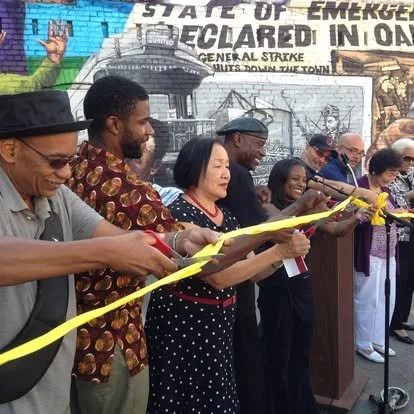
Our unique Pavement-to-Policy (PtP) methodology combines on-the-ground community experience with policy-making to ensure strategies are both practical and impactful.
Unlike traditional top-down approaches, PtP integrates insights from both community-based organizations and policymakers, fostering realistic and effective solutions that address actual community needs.

Too often, policymakers' perspectives reflect a lofty, ivory tower viewpoint which may not incorporate actual community needs or is indicative of a self-serving agenda.
By the same token, many community-based organizations--especially those within the creative arts community--aren't actively involved in policy discussions and decision-making processes which ultimately impact them.
Therefore, PtP represents the best of both worlds: active engagement both on a community-oriented level, and within the policy sphere.
PAVEMENT-TO-POLICY
PLATFORM
PtP maintains that the most effective strategies and policy initiatives are developed by organizations with on-the-ground experience working in communities impacted by these initiatives.
Here are three key elements of our approach:
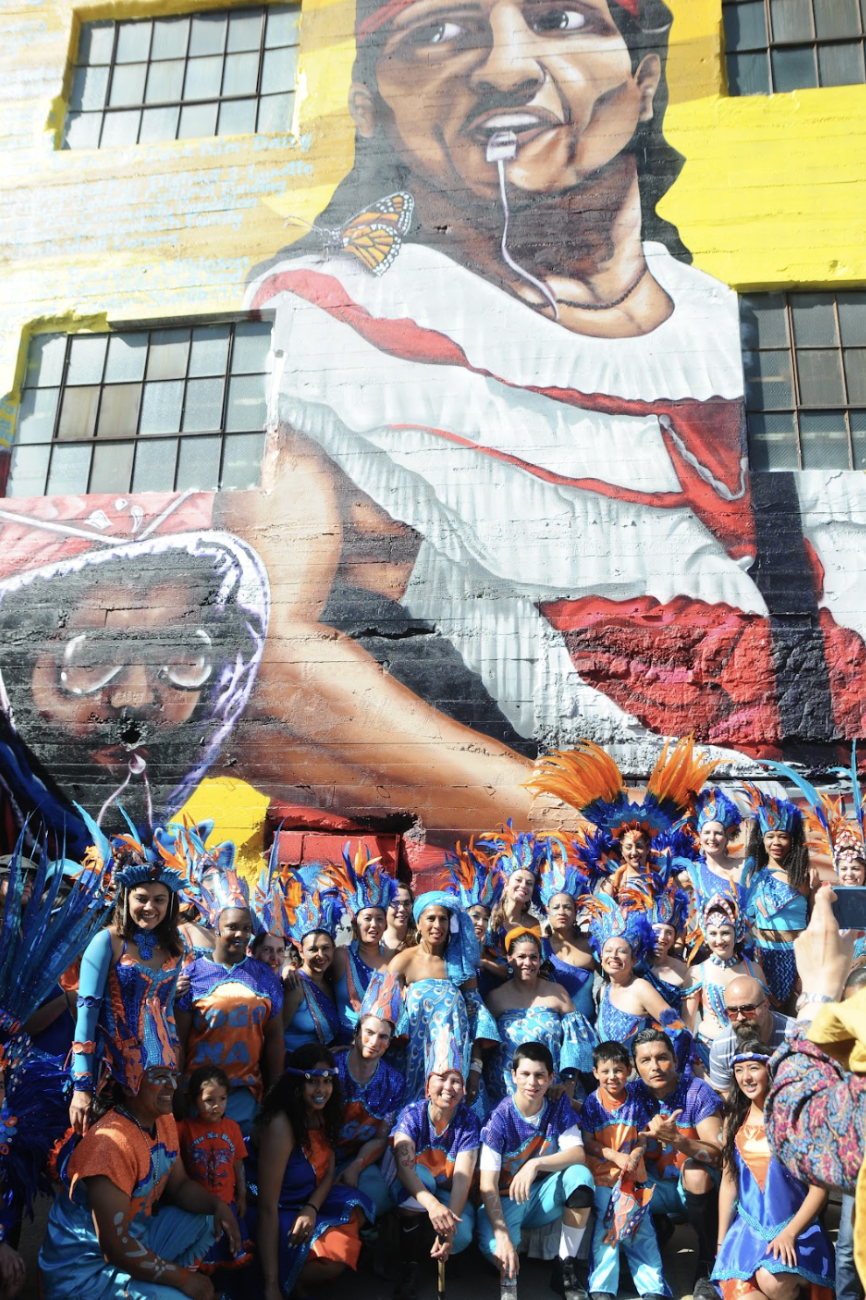
1.
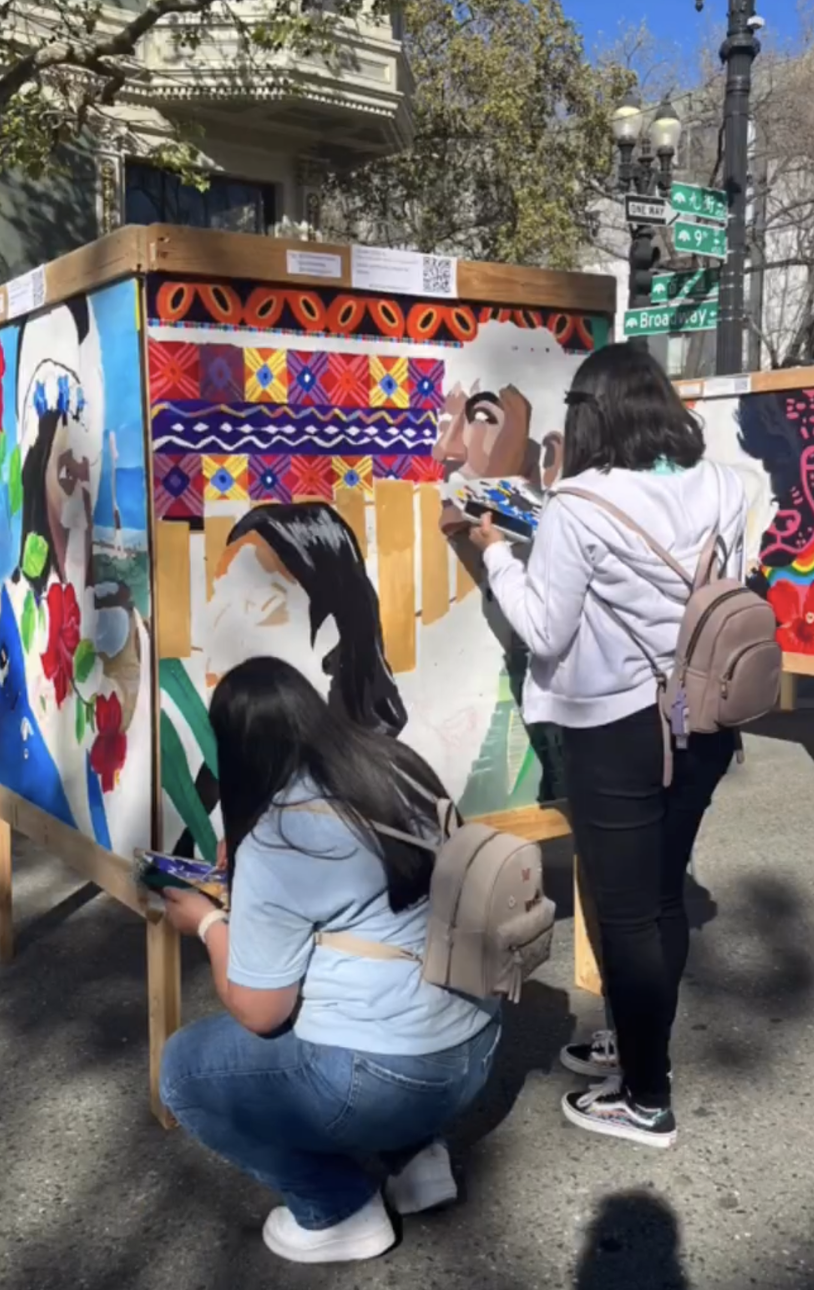
Address the criminalization of youth by investing in murals and creative placemaking as positive, community-driven alternatives to punitive measures.
One significant challenge for muralists and aerosol-based artists in particular is the perception of what has been called graffiti-style art as inherently illegal. This perception has been reinforced historically with ineffectual zero-tolerance measures and punitive policies which have contributed to the criminalization of youth and communities of color, without actually effecting a significant reduction in tag recidivism. Because it is statistically and realistically impossible for urban cities to achieve zero-tolerance goals in vandalism reduction, following best practices would entail implementing and expanding mural diversion programs, instead of continuing to feed the abatement black hole and criminalizing youthful offenders (who are often disproportionately low-income residents of color).
2.
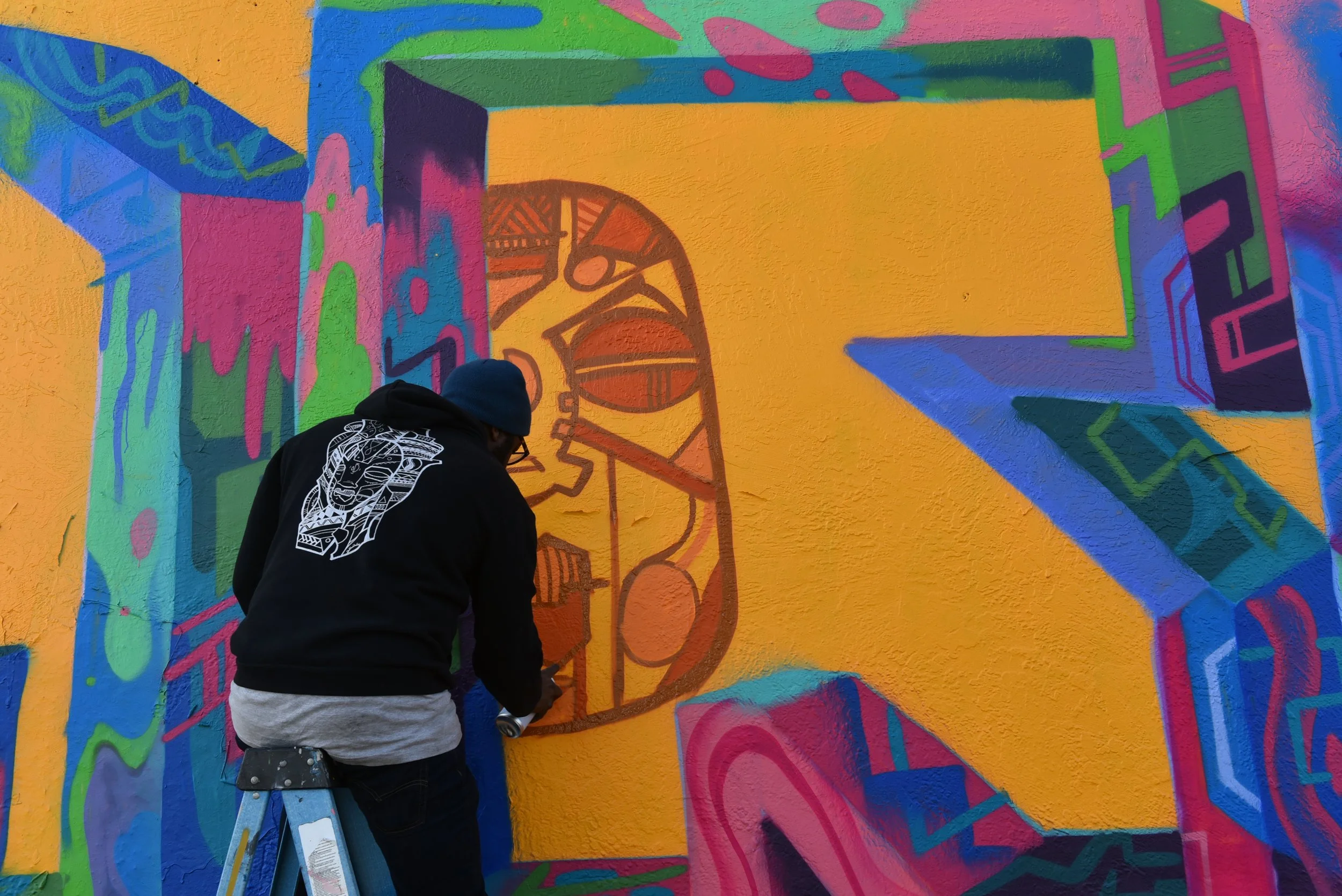
Shift from ineffectual abatement strategies to murals as effective deterrents, with a focus on comprehensive data collection and cost-benefit analysis.
With its close ties to law enforcement and public officials, the abatement industry creates a never-ending cycle of tag recidivism, without ever actually solving the problem it was intended to combat. On the other hand, murals offer long-term solutions and have proven to be effective deterrents against tag recidivism. High-quality murals are generally respected by taggers, who will often not deface art with cultural value. The lifespan of a mural can be decades, amortizing their relatively high initial cost for large-scale productions. And murals offer aesthetic benefits which simple abatement doesn’t.
3.
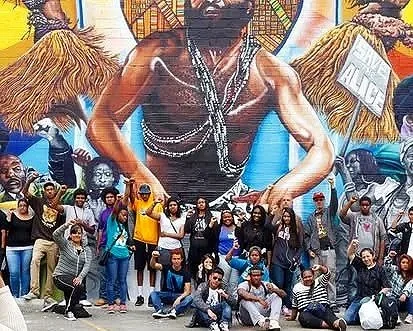
Introduce mural projects as creative placemaking sites to reduce blight, enhance public spaces, and promote economic development and community engagement.
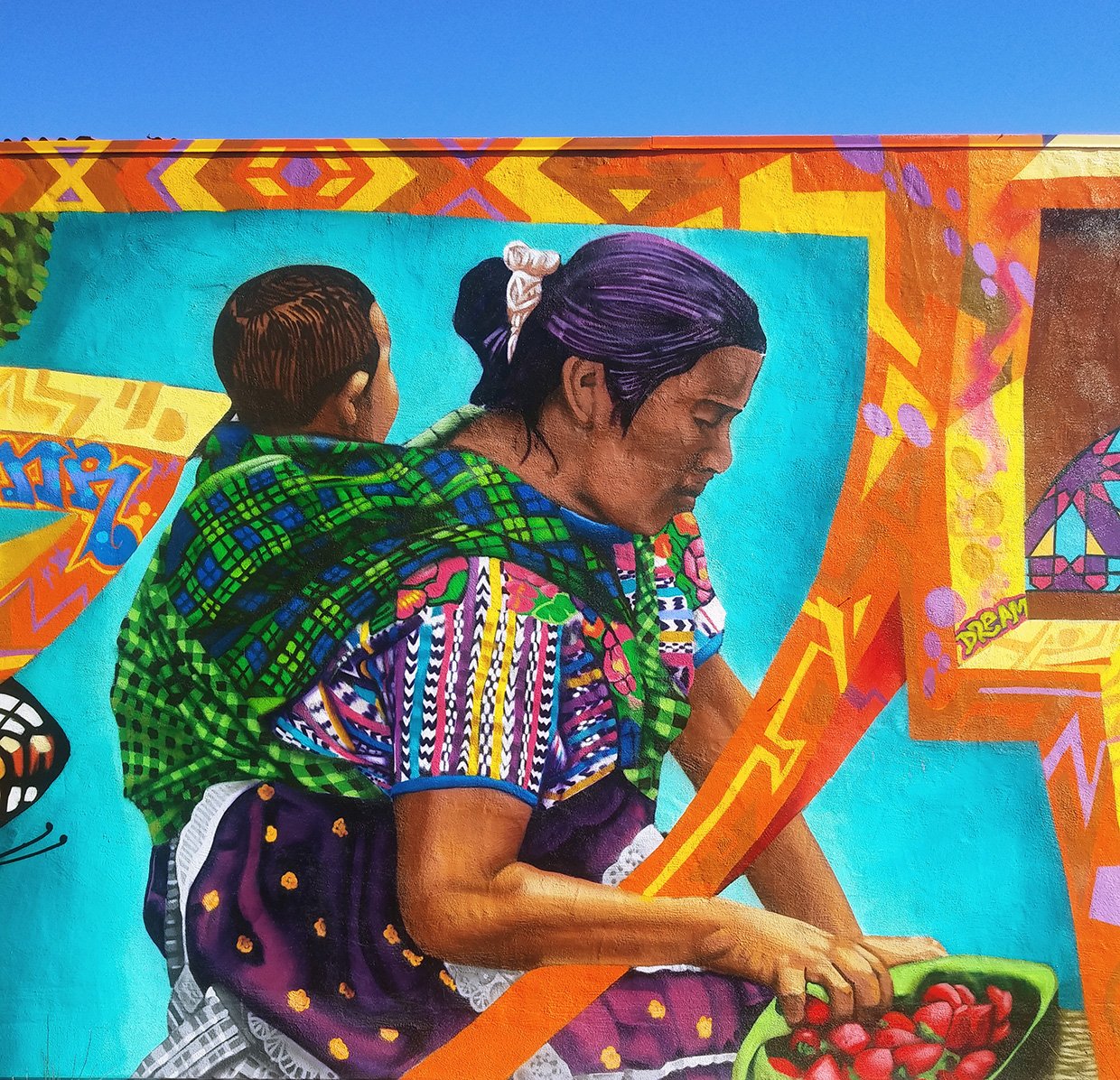
Creative placemaking is both a cultural policy and a method for community development, and can center equity initiatives which address historic underdevelopment of disadvantaged populations. Murals create a tangible sense of place, destination, resulting in increased foot traffic while adding color, vibrancy, and character to urban environment. Murals contrast the negative mental health effects of concrete and asphalt, and can have therapeutic benefits for mentally-ill and homeless populations. Additionally, multiple murals in a retail corridor can creates a visible sense of being in an an arts district or cultural corridor.
PAVEMENT-TO-POLICY
WINS:
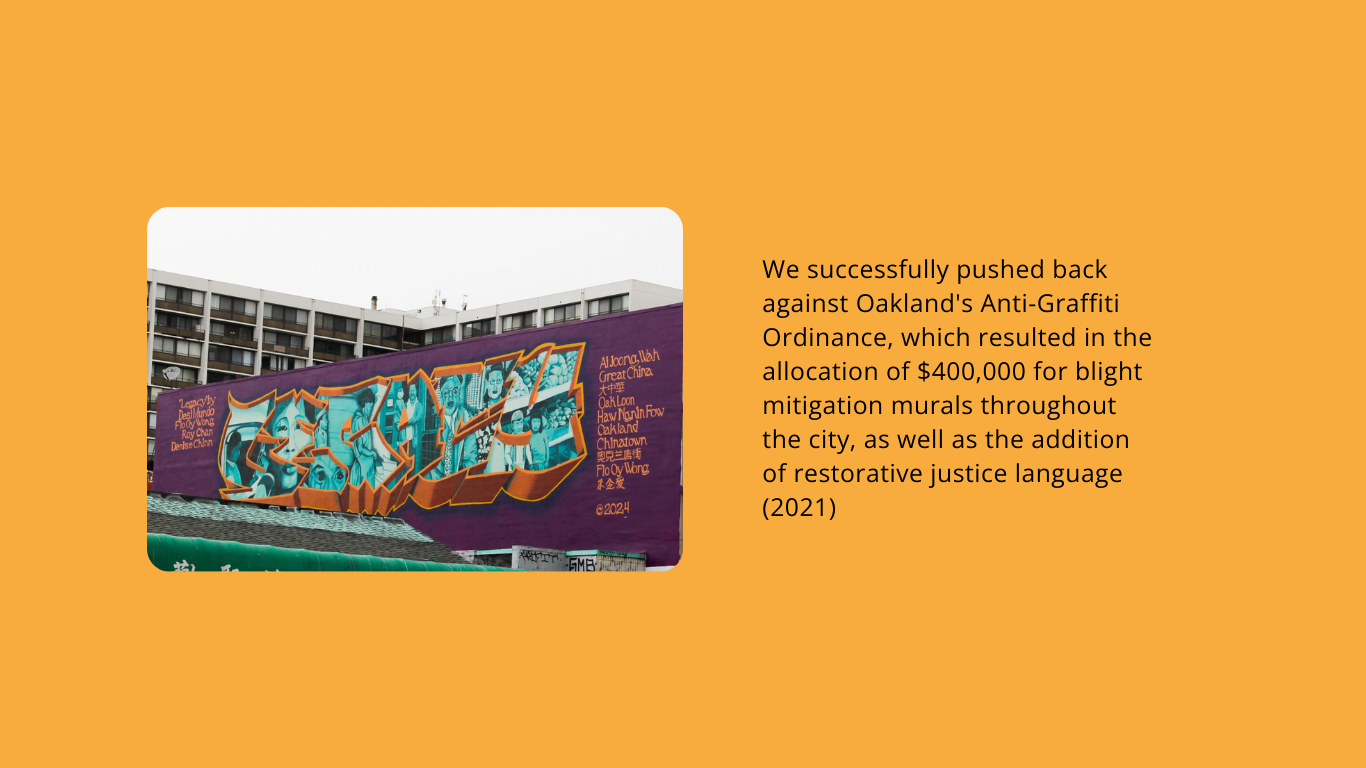
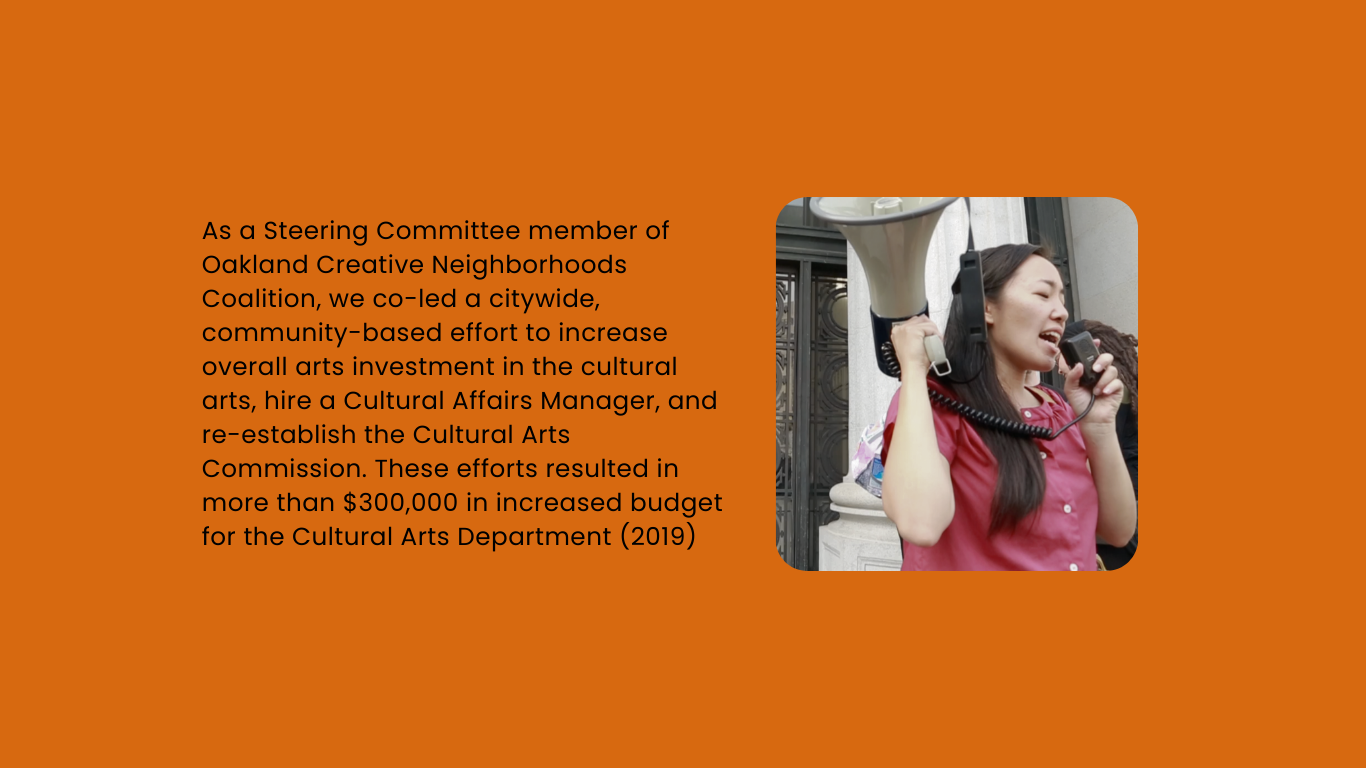
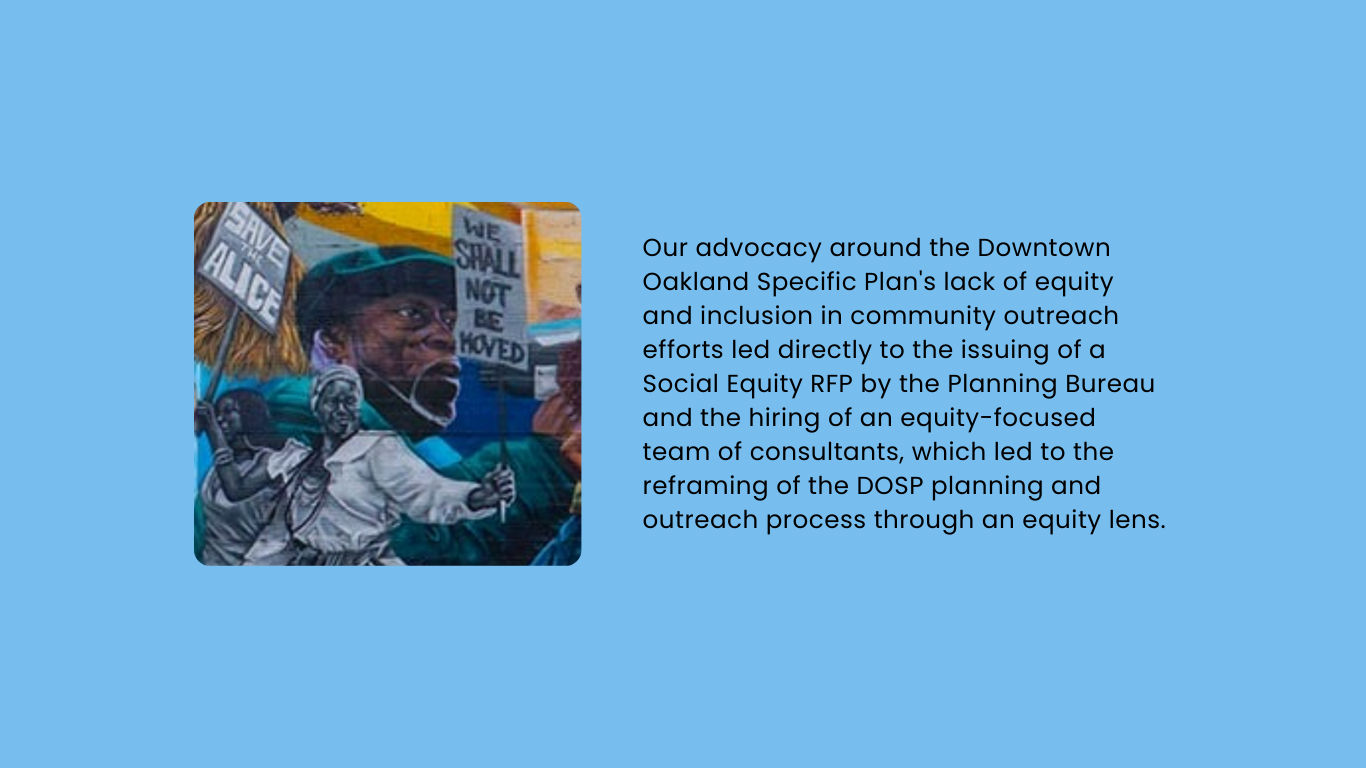
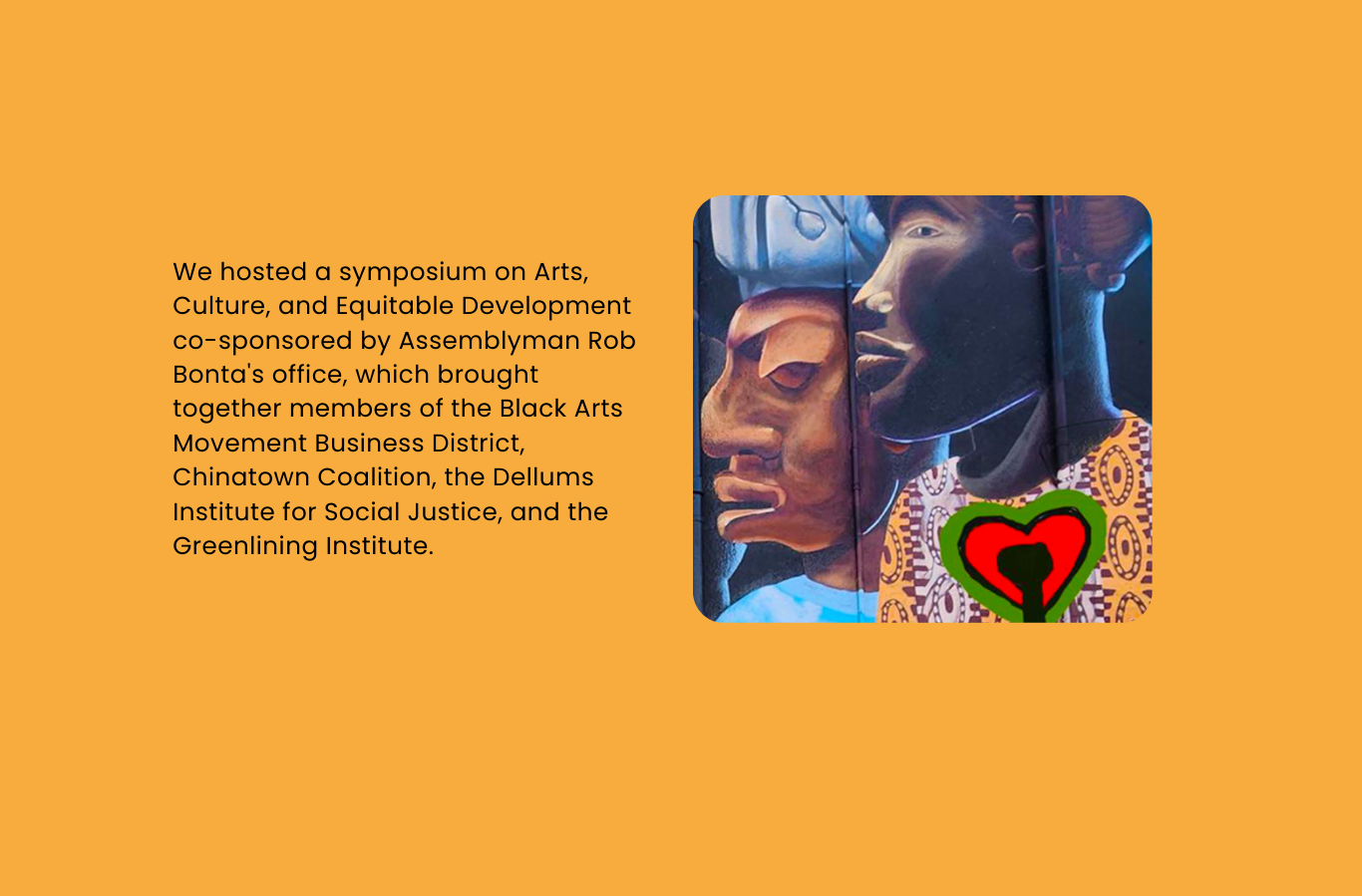
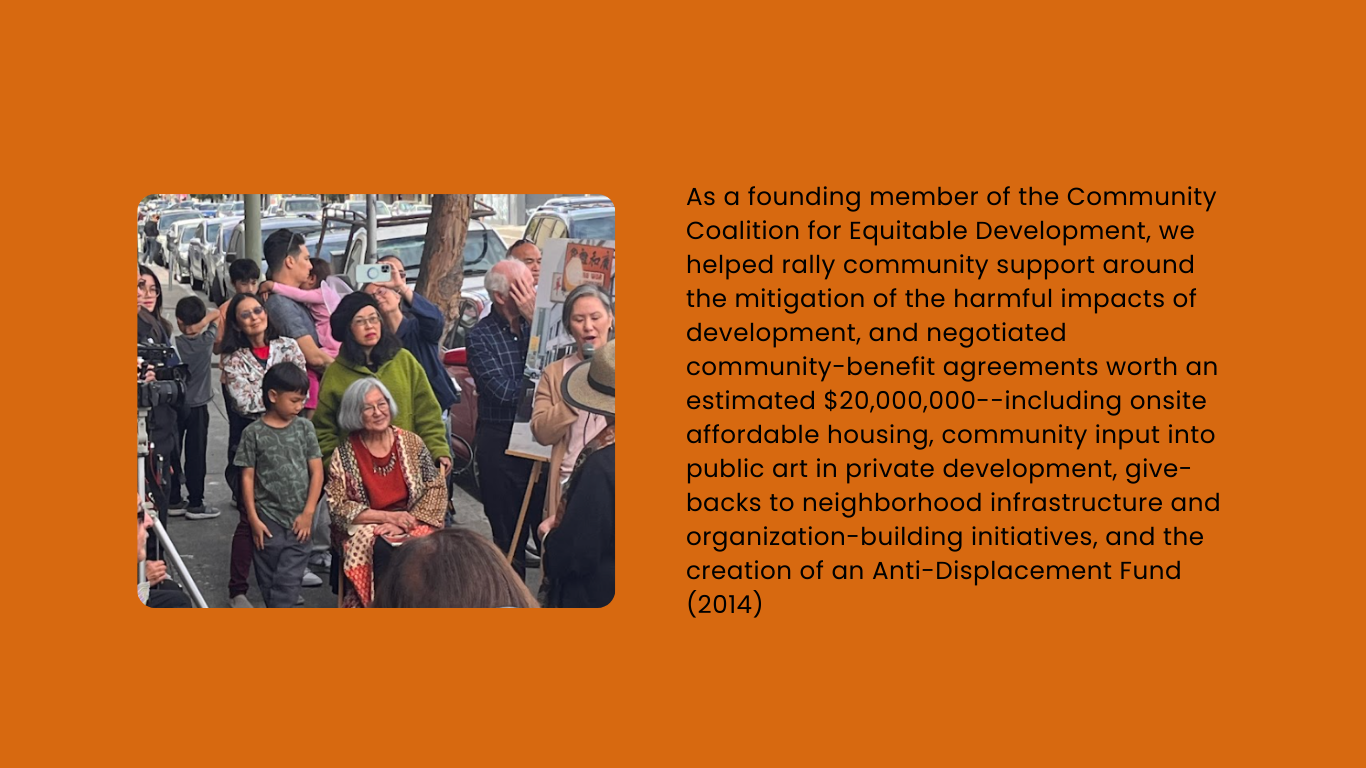
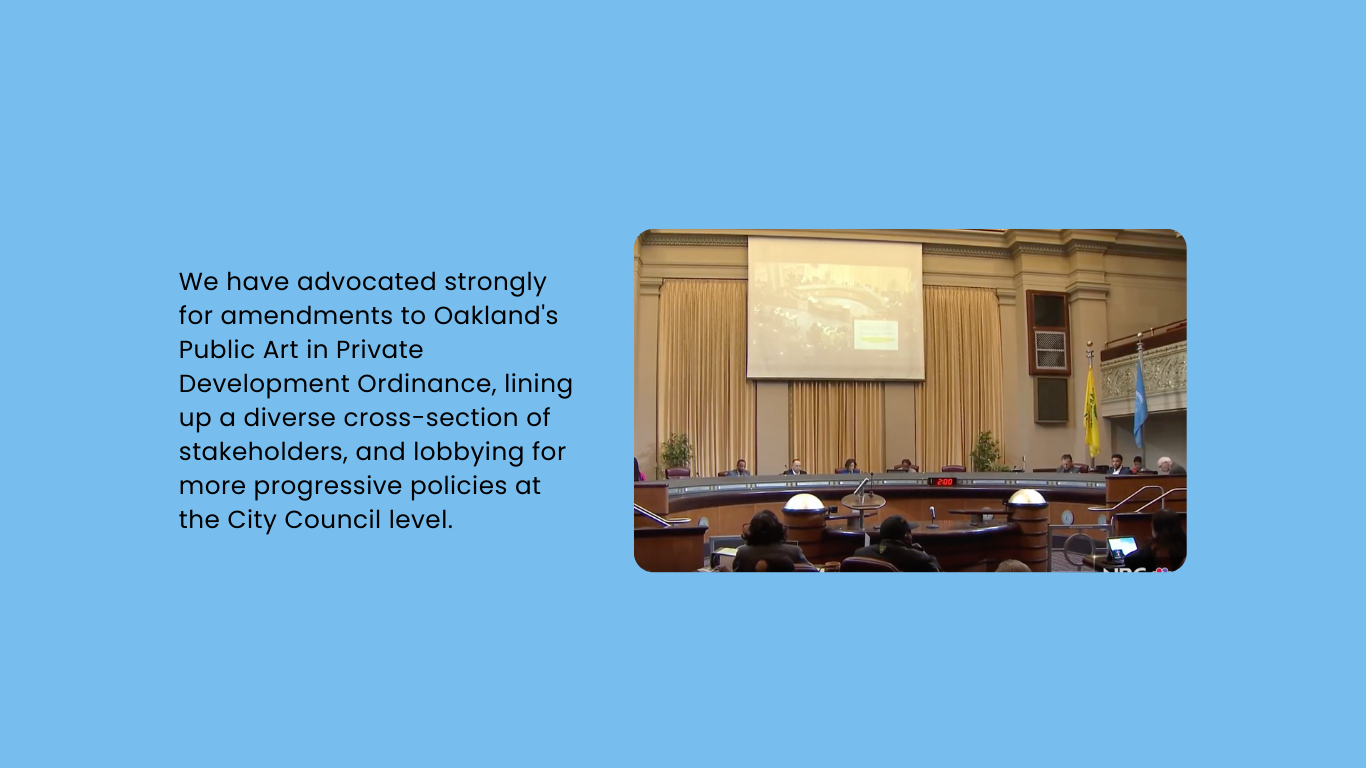
mural
registry
One solution to the problem of cataloging murals is to establish a mural registry program which clearly outlines the names of the artist or artist organization who created the artwork, the location of the artwork, and the legal permissions given by the building owner or commissioning body. Mural registries can work in conjunction with mural maps and local wikis for mural tours and other events and activities utilizing art in public spaces.